Tracking How Loyalty Point Systems Evolve Within Long-Established Digital Gaming Networks After Major Software Updates
Uma Flores · Nov 12, 2026
Tracking How Loyalty Point Systems Evolve Within Long-Established Digital Gaming Networks After Major Software Updates
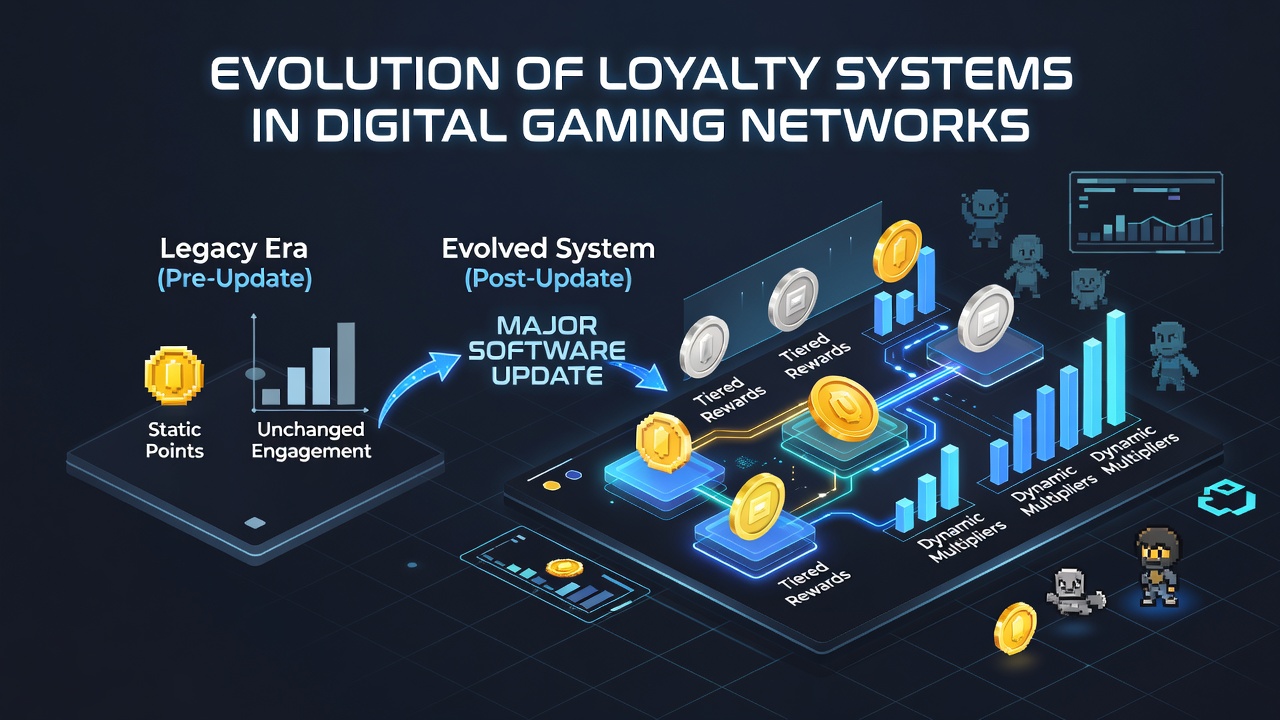
Long-established digital gaming networks maintain loyalty point systems that track player engagement through repeated logins, in-game achievements, and community participation, yet these frameworks undergo noticeable restructuring once operators deploy major software updates that alter backend architectures, introduce new features, or expand cross-platform compatibility. Observers note that such changes often occur because updates recalibrate how data flows between servers and client applications, which in turn affects point accrual rates, redemption options, and visibility of accumulated rewards.
Core Mechanics Before and After Updates
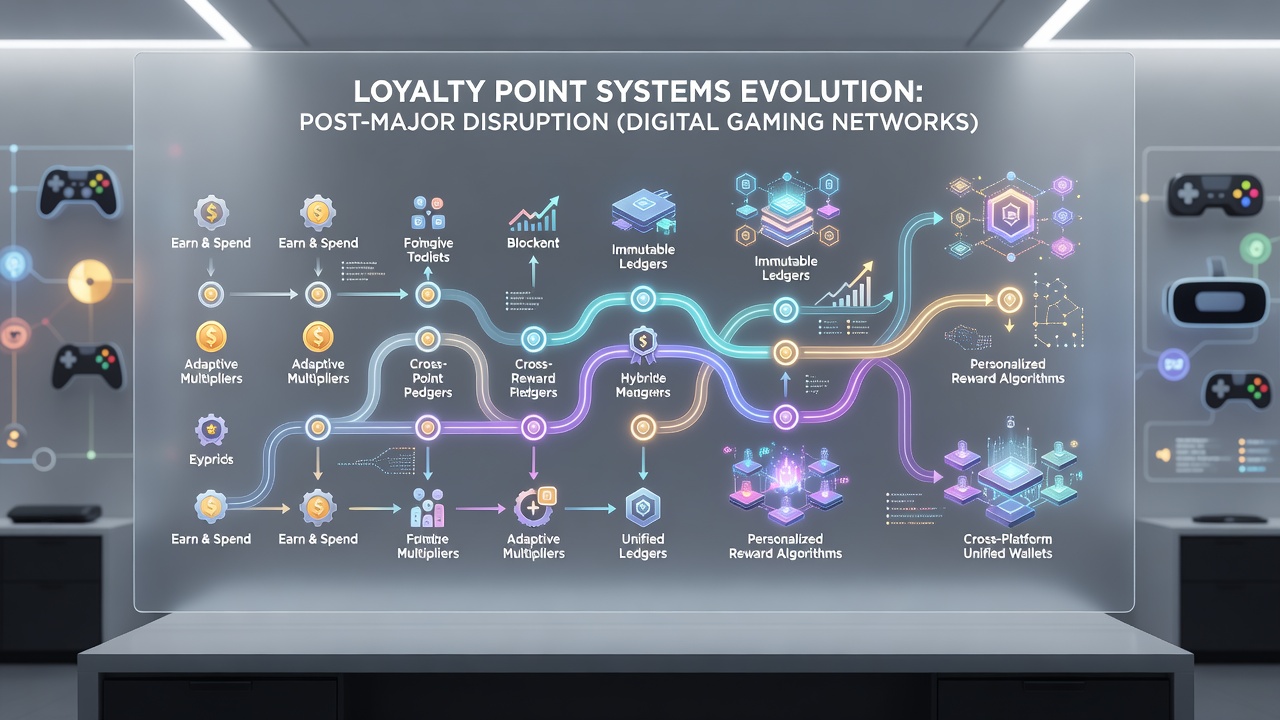
Established networks such as those operated by Valve, Microsoft, and Sony initially built loyalty mechanics around straightforward accumulation models where points converted directly into cosmetic items or profile enhancements, while major updates frequently expand these models into layered ecosystems that incorporate seasonal events, multiplayer progression trees, and integration with external marketplaces. Researchers at institutions tracking digital entertainment have documented how an update introducing unified cross-play functionality, for instance, requires the network to synchronize point ledgers across previously separate databases, resulting in revised expiry rules and adjusted multipliers that reflect combined playtime across devices.
According to industry reports from the Entertainment Software Association, networks that completed significant backend migrations between 2024 and 2025 recorded an average 18 percent increase in point-redemption diversity, as developers added new categories like avatar customization packs and soundtrack unlocks that did not exist in earlier versions. These modifications arise because updated codebases support more granular tracking of user behavior, allowing operators to segment rewards by playstyle rather than total hours alone.
Patterns Observed Across Multiple Platforms
One recurring pattern emerges when networks roll out engine upgrades that support higher-resolution assets and real-time analytics: loyalty points shift from flat-rate rewards to dynamic tiers that respond to concurrent player density or event participation. Data compiled by Canadian academic researchers at the University of Waterloo indicates that after a 2025 overhaul on a major console network, the proportion of points awarded for cooperative modes rose from 35 percent to 52 percent of total distributions, reflecting the new emphasis on synchronized multiplayer sessions made possible by improved netcode.
Yet another shift appears when updates introduce marketplace APIs that connect loyalty systems to third-party trading platforms. In these cases, point values become subject to fluctuating exchange rates tied to supply and demand for digital goods, a development tracked in reports issued by the Australian Interactive Games Association. Operators adjust redemption caps accordingly to maintain system stability, preventing rapid depletion during high-traffic periods following launch.
Role of Regulatory and Technical Factors in November 2026
By November 2026 several networks had completed further iterations prompted by both hardware refreshes and compliance requirements in multiple jurisdictions. European Union digital services regulations, for example, prompted changes that required clearer disclosure of how points convert into paid content, leading operators to embed explanatory tooltips directly into updated interfaces and to standardize point-to-currency ratios across regions. These adjustments coincided with the rollout of enhanced anti-cheat modules that also logged point-earning anomalies, enabling faster detection of irregular activity and subsequent recalibration of reward algorithms.
Take the example of a long-running PC gaming service that deployed a comprehensive client overhaul in late 2026: the update merged separate loyalty ledgers from regional servers into a single global database, which immediately altered how legacy points carried over. Players who had accumulated balances under older rules saw their totals mapped through conversion tables published in patch notes, while new accrual formulas began weighting recent activity more heavily than historical totals. Similar transitions appeared on console ecosystems where firmware updates enabled expanded cloud-save functionality, tying loyalty progression to verified hardware identifiers and thereby reducing opportunities for point duplication across accounts.
Emerging Structures and Data Integration
Networks increasingly embed loyalty data within broader player-profile analytics after updates introduce machine-learning components that predict engagement drop-off. Figures released by the Japan External Trade Organization reveal that platforms incorporating predictive models post-update experienced a measurable redistribution of points toward underutilized game modes, encouraging participation where retention metrics had previously lagged. This integration occurs because updated systems can process telemetry at higher volumes, allowing point awards to function as both reward and behavioral nudge without requiring separate administrative oversight.
Additional modifications surface when updates add support for virtual reality or augmented interfaces, requiring loyalty interfaces themselves to adapt to spatial navigation rather than traditional menu selections. In such environments, point summaries appear as holographic overlays or contextual prompts, changing how users discover and claim rewards. Observers tracking these deployments note that the underlying mathematics of accrual remains consistent, yet presentation layers evolve to match new input paradigms and reduce cognitive load during extended sessions.
Conclusion
Long-established digital gaming networks continue to refine loyalty point systems in response to software updates that expand technical capabilities and regulatory alignment, producing measurable shifts in accrual rates, redemption variety, and cross-platform consistency. Data from multiple regional sources confirms these evolutions follow recurring technical triggers rather than isolated decisions, while integration with analytics tools and new hardware standards accelerates the pace of change. As networks prepare further updates, the trajectory points toward increasingly adaptive frameworks that maintain core accumulation principles while accommodating expanding player ecosystems and interface innovations.