Regulatory Shifts Prompt New Virtual Gaming Sites to Adjust Player Incentives
Uma Flores · Oct 1, 2026

Regulatory Shifts Prompt New Virtual Gaming Sites to Adjust Player Incentives
Regulatory updates across multiple jurisdictions continue to influence how emerging virtual gaming platforms design their welcome packages and ongoing engagement tools, with operators responding through revised structures that align with new compliance requirements while maintaining competitive appeal.
In North America, state-level frameworks have introduced tighter controls on bonus advertising and player eligibility, leading fresh sites to replace broad no-deposit promotions with conditional deposit matches that tie rewards to verified activity thresholds. Data from the New Jersey Division of Gaming Enforcement shows a measurable decline in unrestricted sign-up credits during the first half of 2026, prompting operators to emphasize tiered loyalty systems instead.
North American Adjustments
Operators in regulated markets such as New Jersey and Pennsylvania have recalibrated entry offers around deposit requirements and wagering contributions that reflect updated responsible gaming standards. These changes emerged after several states expanded licensing criteria in 2025, requiring platforms to demonstrate clearer terms for all promotional activity before launch.
Canadian provinces followed a parallel path when Ontario's Alcohol and Gaming Commission updated its iGaming standards in late 2025, directing new entrants to limit bonus values relative to deposit amounts and to incorporate mandatory cooling-off periods into retention programs. Fresh platforms entering the market during 2026 have therefore shifted toward personalized reward schedules based on individual play patterns rather than universal free spin bundles.
European and Asia-Pacific Developments
Across Europe, the European Commission's ongoing review of digital gambling directives has encouraged member states to enforce stricter transparency rules on promotional mechanics, which in turn has pushed new virtual sites to adopt subscription-style loyalty models that deliver incremental benefits over time. Platforms targeting markets such as Germany and the Netherlands now structure initial incentives around account verification milestones combined with capped reward ceilings.
In Australia, updates from the Australian Communications and Media Authority have similarly affected how operators present introductory offers, resulting in a move away from high-volume free spin distributions toward cashback mechanisms that activate after sustained deposits. New sites launching in October 2026 have incorporated these requirements from the outset, building retention tactics that emphasize long-term account health indicators over short-term bonus volume.
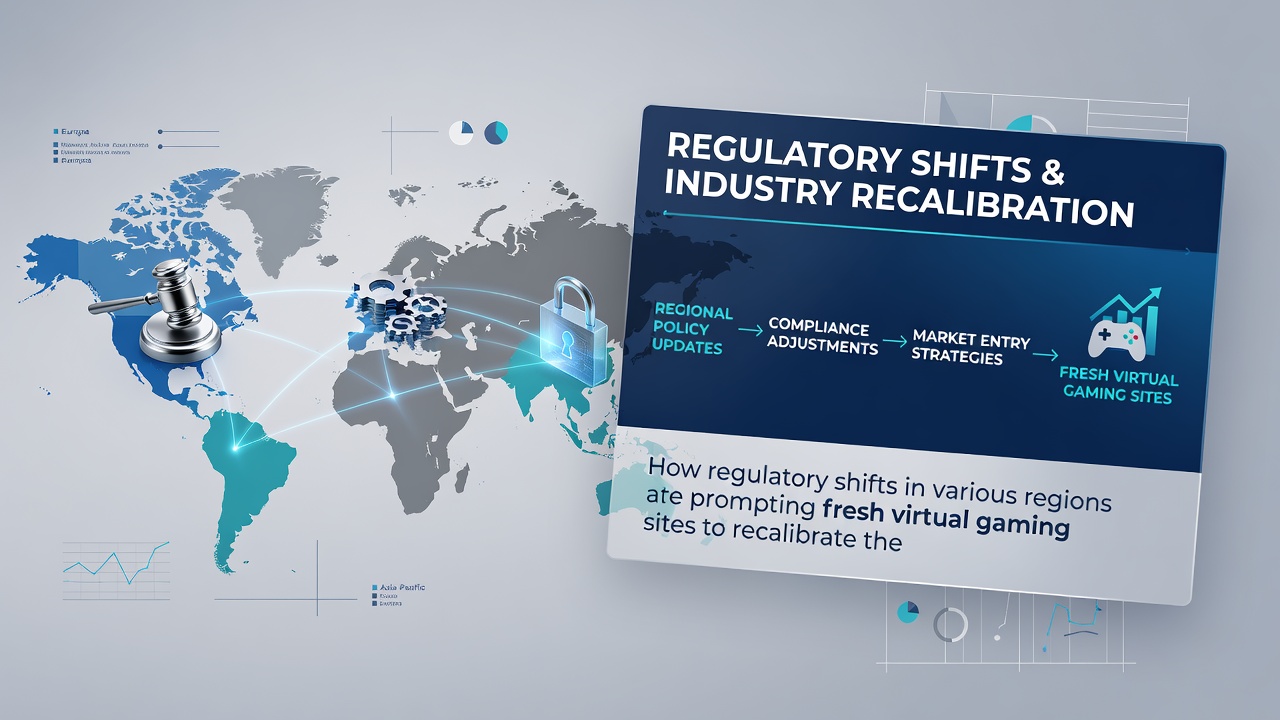
Industry reports from the University of Nevada's International Gaming Institute indicate that these regional adjustments have produced measurable differences in player acquisition costs, with operators reporting increased reliance on targeted email sequences and in-game progress tracking to sustain engagement once regulatory caps limit front-loaded bonuses.
Retention Tactic Evolution
Retention strategies at emerging platforms now frequently integrate gamified progression systems that unlock benefits through consistent play rather than single-session rewards. These systems allow sites to comply wth spending and advertising restrictions while still offering players clear pathways to additional value over multiple visits.
Cross-border operators have also begun coordinating incentive structures with local tax and reporting obligations, which has led to the development of region-specific reward ledgers that automatically adjust based on player location and regulatory tier. This approach reduces compliance friction and supports smoother onboarding sequences across jurisdictions.
Figures released by the Canadian Gaming Association in mid-2026 reveal that platforms adopting these adaptive models experienced steadier month-over-month retention rates compared with those relying on legacy bonus formats that no longer meet updated licensing conditions.
Conclusion
Regulatory evolution continues to reshape how new virtual gaming sites structure both entry-level incentives and longer-term retention mechanisms, producing a landscape where compliance-driven design now sits at the core of promotional planning. Platforms that launched in October 2026 and beyond have embedded these considerations into their foundational operations, resulting in more segmented and verification-focused reward ecosystems across North America, Europe, and Asia-Pacific markets.