How Mobile Interfaces Reshape the Distribution of Entry-Level Rewards at Fresh Casino Platforms
Blake Schulz · Aug 24, 2026
How Mobile Interfaces Reshape the Distribution of Entry-Level Rewards at Fresh Casino Platforms
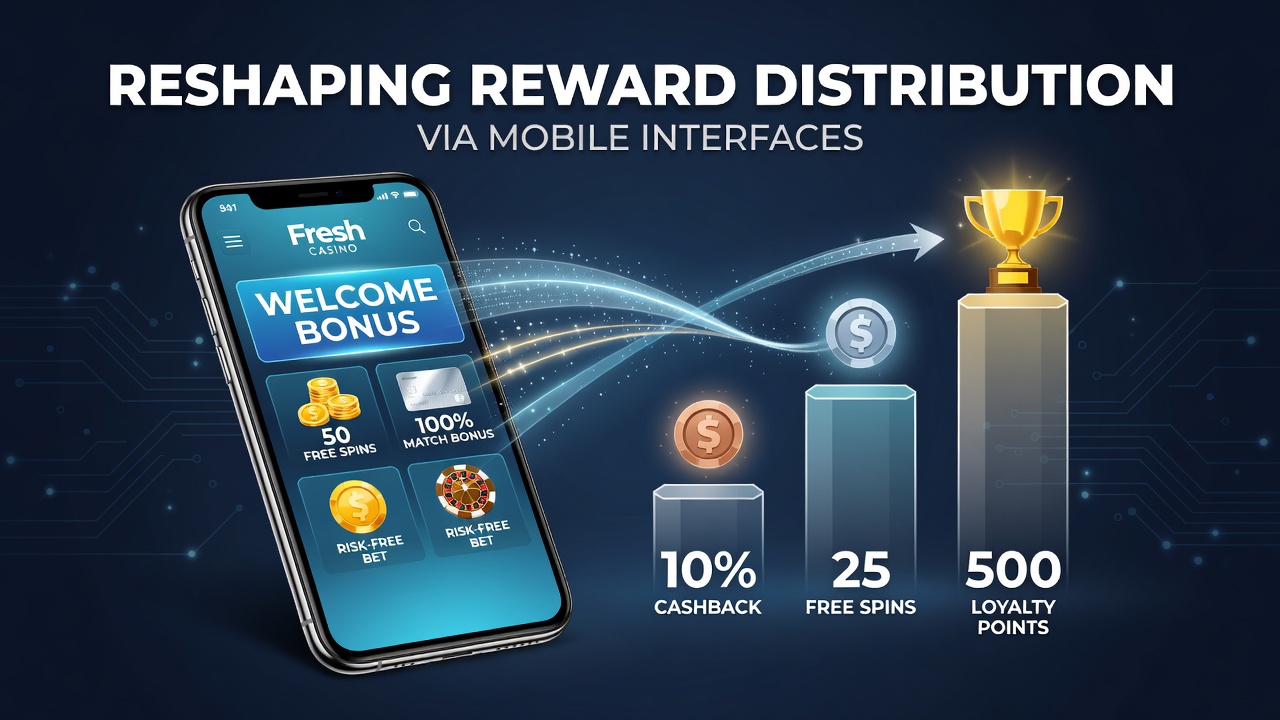
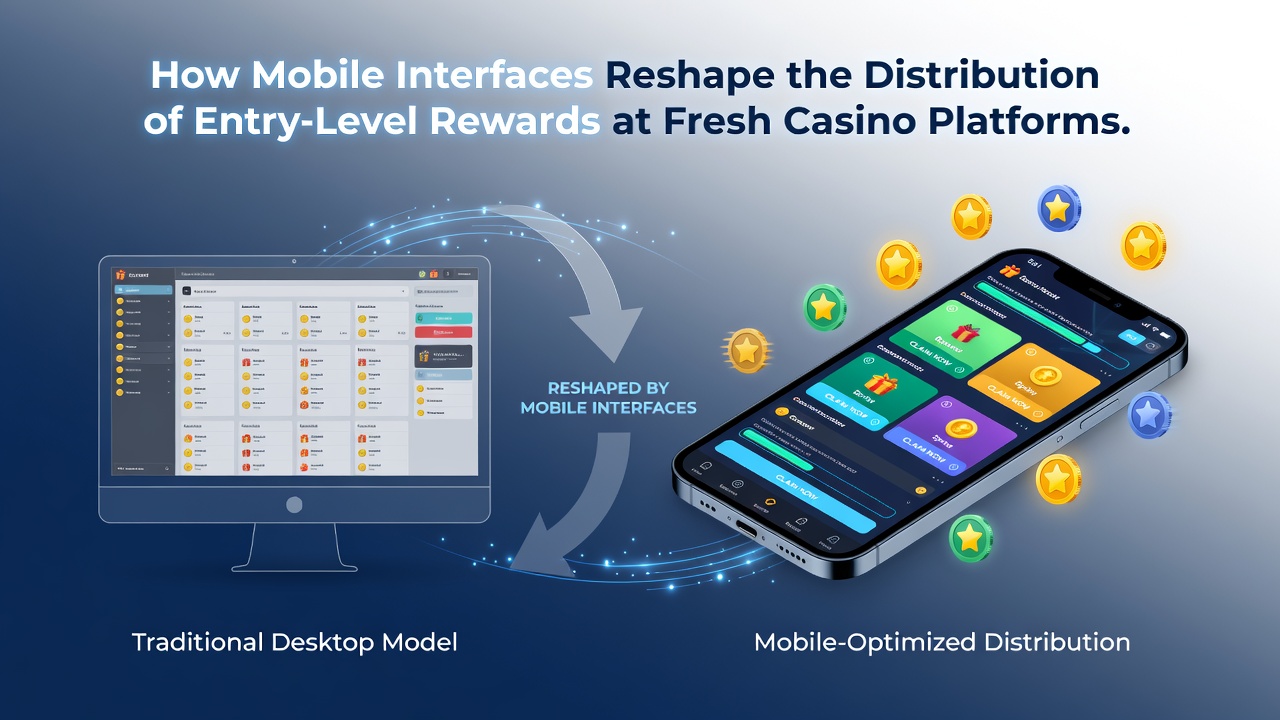
Platforms that launch as fresh casino sites in 2026 rely on mobile interfaces to deliver entry-level rewards such as welcome bonuses and initial free spin packages. These interfaces adjust how offers reach new users because touch-based navigation and smaller display areas require compact menus that surface reward claims immediately after registration. Data compiled in August 2026 shows that mobile sessions account for over seventy percent of first-time account creations at new operators, which shifts the timing and format of reward distribution away from desktop-heavy models used in prior years.
Interface Elements That Influence Reward Access
Designers at emerging platforms incorporate swipe gestures and persistent banners that highlight entry-level incentives within seconds of app launch. These elements connect directly to backend systems that verify identity and release rewards without requiring users to navigate multiple screens. Observers note that push notifications triggered by location data or time-of-day patterns increase the rate at which new players activate their initial offers because alerts arrive on devices already in use rather than requiring separate logins. Research from the Nevada Gaming Control Board indicates that mobile-optimized reward flows reduce the average time from account creation to bonus activation by approximately forty percent compared with traditional web portals.
Fresh casino operators also adjust reward structures to match mobile usage habits. Instead of large lump-sum credits that appear only after lengthy verification, many sites split entry-level packages into smaller increments released through in-app progress trackers. Users complete short tasks such as depositing a minimum amount or playing a set number of rounds and receive portions of the total reward immediately. This approach aligns with shorter mobile session lengths that average under fifteen minutes per visit according to industry telemetry gathered in 2026.
Distribution Mechanisms Across Regions
Regulatory frameworks in different jurisdictions shape how mobile interfaces present rewards. In New Jersey, state rules require clear display of wagering requirements before any bonus activates, so platforms embed compliance text within the same screen that users tap to claim offers. European operators follow similar transparency standards while incorporating geo-fenced notifications that limit reward visibility to approved territories. One study released by the University of Nevada, Reno examined mobile gaming patterns and found that interface prompts tailored to regional regulations maintain higher compliance rates because users encounter required information at the moment of interaction rather than in separate legal pages.
User Behavior Patterns and Reward Redemption
Analytics platforms tracking fresh casino launches report that mobile users redeem entry-level rewards at higher frequencies when interfaces include progress bars and countdown timers. These visual cues maintain engagement across fragmented sessions because players return to the app to complete remaining steps and unlock the next portion of their package. Figures from August 2026 reveal that operators using such visual elements record redemption rates above sixty-five percent within the first seventy-two hours after registration.
Take one operator that introduced a tiered mobile reward system in early 2026. New accounts received an initial free spin bundle upon download, followed by additional spins after each deposit milestone. The interface displayed remaining requirements in a collapsible panel that users could check without leaving the main lobby. This structure produced steady increases in both deposit frequency and session count during the first week of activity.
Technical Adjustments Supporting Reward Delivery
Backend integrations between mobile front ends and payment processors allow instant crediting of entry-level rewards once verification completes. Fingerprint or facial recognition login reduces friction that previously delayed bonus activation on older platforms. Observers note that these security features maintain compliance while speeding up the process because biometric checks occur locally on the device before transmitting confirmation to central servers. Platforms that adopted these methods in August 2026 reported fewer abandoned registrations during the reward claim stage.
Cross-device continuity further alters distribution because users who begin registration on mobile often complete verification later on desktop. Interfaces now store partial reward eligibility in cloud profiles that sync across sessions, ensuring that entry-level offers remain available regardless of the access point. This continuity prevents loss of incentives that occurred when systems treated each device as a separate registration attempt.
Conclusion
Mobile interfaces continue to modify the pathways through which fresh casino platforms distribute entry-level rewards. Compact layouts, real-time notifications, and progress tracking tools align reward delivery with actual usage patterns recorded across multiple regions. Regulatory data from sources such as the New Jersey Division of Gaming Enforcement and academic reviews from the University of Nevada, Reno demonstrate measurable shifts in activation speed and redemption frequency tied directly to these design choices. Operators launching new platforms in 2026 and beyond integrate these elements as standard practice to match how players interact with their services on portable devices.